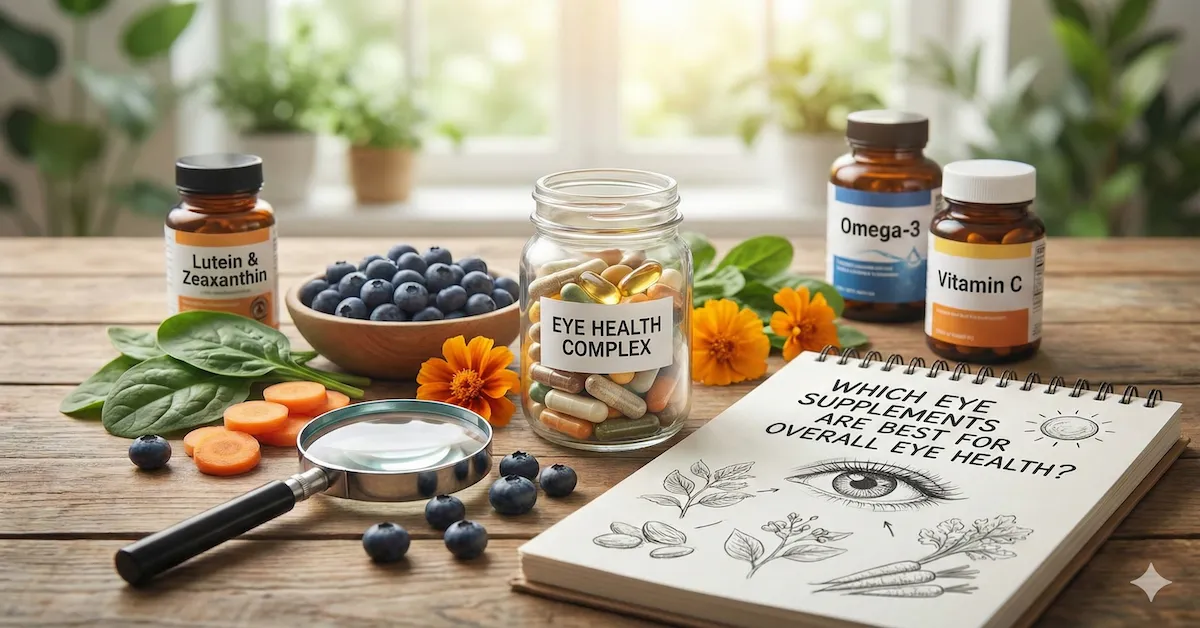
Which Eye Supplements Are Best for Overall Eye Health?
Good vision depends on more than regular eye checkups. Nutrition plays a major role in maintaining healthy eyes and preventing vision problems over time. Eye supplements can fill nutritional gaps and provide the body with key vitamins and minerals that support clear sight, protect against age-related diseases, and keep the eyes functioning at their best. In this article, we’ll look at the most effective nutrients for eye health, how they work, and how to choose the right supplements for your needs.
Why Eye Health Supplements Matter
Your eyes are constantly exposed to stress from sunlight, digital screens, and environmental factors. Over time, this exposure can lead to dryness, fatigue, and conditions like macular degeneration or cataracts. A nutrient-rich diet can help, but even a balanced lifestyle may not provide all the vitamins and antioxidants your eyes need daily.
Eye health supplements are designed to strengthen the eyes from within. They support the retina, reduce oxidative stress, and maintain clear vision as you age. These supplements are not a replacement for a healthy diet, but they can complement it to provide the consistent nutrition your eyes require.
The Most Important Nutrients for Eye Health
Lutein and Zeaxanthin
Lutein and zeaxanthin are carotenoids found in the retina that act as natural filters against harmful blue light and ultraviolet rays. They help protect eye tissues from damage and improve visual clarity. Studies have shown that regular intake of these nutrients may lower the risk of age-related macular degeneration (AMD) and cataracts.
These compounds are commonly found in leafy greens like spinach and kale, but supplements offer a reliable way to maintain adequate levels, especially for those with limited vegetable intake.
Vitamin A and Beta-Carotene
Vitamin A is essential for maintaining good vision, particularly in low light. It supports the cornea, the outermost layer of the eye, and prevents dryness that can cause irritation or damage. Beta-carotene, found in carrots and sweet potatoes, converts into vitamin A in the body and helps preserve night vision.
A lack of vitamin A can lead to serious eye problems, including dryness, blurred vision, and even blindness. Taking supplements ensures your eyes have the nutrients they need for optimal performance.
Omega-3 Fatty Acids
Omega-3s, particularly DHA and EPA, play a vital role in reducing inflammation and maintaining the health of the retina. They also support tear production, which helps prevent dry eyes—a common issue for people who spend long hours in front of screens.
Supplements made from fish oil or algae are excellent sources of omega-3s and can be especially beneficial for individuals who do not regularly consume seafood.
Vitamin C, Vitamin E, and Zinc
These antioxidants work together to combat oxidative stress, a major contributor to eye aging. Vitamin C helps strengthen blood vessels in the eyes and supports the production of collagen. Vitamin E protects cells from damage caused by free radicals, while zinc plays a role in delivering vitamin A from the liver to the retina.
This combination is part of the well-known AREDS (Age-Related Eye Disease Study) formula, which has been clinically proven to slow the progression of macular degeneration in older adults.
How to Choose the Right Eye Supplement
When selecting an eye supplement, it’s important to look for quality and balanced formulation.
Check ingredient transparency: Avoid supplements with vague labels or unnecessary fillers. The product should clearly list all vitamins and their dosages.
Look for clinically backed formulas: Supplements following the AREDS or AREDS2 study guidelines are supported by research for effectiveness in maintaining eye health.
Consider lifestyle and diet: If you already consume a nutrient-rich diet, you may need a smaller dosage. Vegans, vegetarians, or those with allergies should choose plant-based or allergen-free options.
Consult your eye doctor: Before starting any supplement, talk to a professional to make sure it suits your health needs and doesn’t interfere with medications.
Are Natural Foods Better Than Supplements?
Natural foods are always the best foundation for good health. However, supplements can help fill the nutritional gaps that diet alone might miss. For example, it’s not always easy to consume enough lutein or omega-3 fatty acids daily through food.
A balanced combination of diet and supplements ensures that your eyes get all the essential nutrients they need. Eating foods like fish, eggs, leafy greens, citrus fruits, and nuts provides a natural boost, while supplements help maintain consistent levels over time.
Who Benefits the Most from Eye Supplements?
Eye supplements are useful for almost everyone, but they can be especially beneficial for certain groups:
Adults over 40, who face higher risks of macular degeneration and cataracts.
People with a family history of eye disease.
Those who use digital devices frequently and experience eye strain or dryness.
Smokers or individuals with poor dietary habits, who may lack essential antioxidants.
Even younger individuals can benefit from supplements that support eye comfort, reduce fatigue, and protect against long-term damage caused by blue light exposure.
Other Ways to Support Healthy Eyes
In addition to taking supplements, maintaining a few daily habits can help preserve your vision:
Follow the 20-20-20 rule when using screens—look away every 20 minutes for at least 20 seconds.
Wear sunglasses with UV protection outdoors.
Stay hydrated to support tear production.
Schedule regular eye exams to detect issues early.
Get enough sleep to prevent eye fatigue.
Combining good habits with proper nutrition keeps your eyes healthy, comfortable, and strong for years to come.
Conclusion
Protecting your vision starts with giving your eyes the nutrients they need. Supplements rich in lutein, omega-3 fatty acids, and antioxidants can help maintain sharp sight, reduce strain, and lower the risk of age-related diseases. Pairing them with a balanced diet and healthy lifestyle provides complete care for your eyes.
For professional advice on maintaining eye health and choosing the right care solutions, Bellasee offers expert guidance and a personalized approach to long-term vision wellness. Their holistic focus ensures that your eyes receive the attention, care, and comfort they deserve.
